Chronic fatigue syndrome and acupuncture



assessing the bodies energetics thru TCM pulse taking
Understanding the Challenge of Chronic Fatigue Syndrome ME/CFS and efficacy of Acupuncture
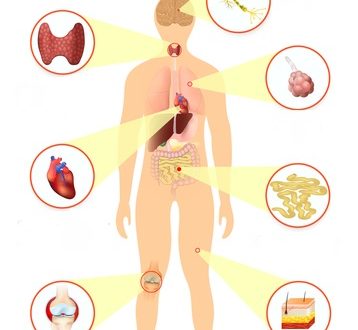
Chronic Fatigue Syndrome or ME/CFS affects millions worldwide, posing a significant public health challenge due to its mysterious origins and the severe impact it has on patients’ lives. While the exact causes remain elusive, research points to a complex interplay of factors, including:
- Immune Dysfunction: Abnormalities in the immune system, such as chronic inflammation or altered cytokine levels, are frequently observed.
- Autonomic Nervous System Dysfunction: The system controlling involuntary bodily functions (heart rate, digestion, breathing) often shows dysregulation.
- Neuroendocrine Disturbances: Imbalances in hormone systems, particularly the Hypothalamic-Pituitary-Adrenal (HPA) axis, which regulates stress response.
- Mitochondrial Dysfunction: Problems with cellular energy production are also hypothesized.
Acupuncture: A Holistic Approach to Chronic Fatigue
Traditional Chinese Medicine (TCM), the system from which acupuncture originates, views ME/CFS as a complex imbalance of the body’s vital energy (Qi), Blood, and the functions of various organ systems like the Spleen, Kidney, and Liver. Acupuncture aims to restore balance, invigorate Qi and Blood, and promote the body’s innate healing capabilities. Modern research is beginning to shed light on how these traditional concepts translate into measurable physiological changes that benefit ME/CFS patients.
systemic dysregulations contribute to the pervasive fatigue and widespread symptoms experienced by those with ME/CFS.
Latest Findings: Evidence of Benefit
Recent systematic reviews and meta-analyses provide growing evidence for acupuncture’s role in alleviating ME/CFS symptoms:
- Fatigue Reduction: Several studies indicate that acupuncture can significantly reduce both near-term and long-term fatigue in individuals with ME/CFS. A systematic review and meta-analysis published in May 2025 found that acupuncture demonstrated potential benefits in improving fatigue levels, especially when combined with rehabilitation [1]. Another review from 2017 and a meta-analysis from 2019 similarly concluded that acupuncture was effective for fatigue relief in CFS patients [2, 3].
- Pain Alleviation: Many ME/CFS patients experience widespread muscle and joint pain. Research suggests that acupuncture can effectively alleviate these pain symptoms. The 2017 review specifically noted positive effects on pain in comparison to sham acupuncture [2].
- Improved Quality of Life and Mental Health: While some reviews have been cautious about definitive conclusions on mood disorders, the May 2025 meta-analysis indicated that acupuncture, particularly when combined with rehabilitation, seems to improve quality of life and may reduce depression incidence in CFS patients [1]. Acupuncture is known to reduce stress and anxiety, which are common comorbidities and exacerbating factors for ME/CFS.
- Sleep Improvement: Unrefreshing sleep is a hallmark symptom of ME/CFS. By regulating the nervous system and calming the mind, acupuncture can promote better sleep quality, which is crucial for overall recovery and symptom management [4].
How Acupuncture Works: Mechanisms of Action
Acupuncture’s effectiveness in ME/CFS is attributed to its multifaceted physiological actions:
- Neuroendocrine Modulation: Acupuncture influences the Hypothalamic-Pituitary-Adrenal (HPA) axis, the body’s central stress response system. By regulating stress hormones like cortisol and CRH (corticotropin-releasing hormone), acupuncture can help normalize the body’s response to stress, which is often dysregulated in ME/CFS [5].
- Anti-inflammatory Effects: ME/CFS often involves chronic low-grade inflammation. Research suggests that acupuncture can modulate the immune system by influencing the balance of pro-inflammatory and anti-inflammatory cytokines, thus reducing systemic inflammation [5].
- Neurotransmitter Regulation: Acupuncture can affect the levels of various neurotransmitters, including serotonin, dopamine, and endorphins. These chemicals play crucial roles in mood, pain perception, energy levels, and sleep regulation, all of which are disrupted in ME/CFS [5].
- Autonomic Nervous System Balance: Acupuncture helps shift the body from a sympathetic (“fight or flight”) dominant state to a more parasympathetic (“rest and digest”) state. This rebalancing of the autonomic nervous system can reduce muscle tension, improve digestion, promote relaxation, and facilitate restorative sleep [4, 5].
- Improved Circulation and Energy Flow: From a TCM perspective, acupuncture unblocks stagnation and promotes the smooth flow of Qi and Blood. From a biomedical perspective, this can translate to improved microcirculation, enhanced oxygen and nutrient delivery to tissues, and removal of metabolic waste products, all contributing to reduced fatigue and pain [5].
Acupuncture as a Complementary Therapy
It’s important to note that while research consistently points to acupuncture as a beneficial intervention for ME/CFS symptoms, it is generally considered a complementary therapy. This means it works best when integrated into a broader, individualized management plan that may include conventional medical care, lifestyle adjustments, and other supportive therapies.
For individuals living with the relentless burden of Chronic Fatigue Syndrome, acupuncture offers a safe, natural, and increasingly evidence-backed pathway to alleviate symptoms, enhance well-being, and potentially regain a greater sense of control over their health. By addressing the body’s complex energetic and physiological imbalances, acupuncture aims not just to manage symptoms, but to foster deeper healing and improved vitality.
Recommended Posts

Why is quality sleep frustratingly out of reach
July 2, 2025
Addressing Chronic Back Pain
June 28, 2025